


Since the beginning of this year, the company has experienced a period of concentrated construction and capacity expansion for multiple major projects. The intensive promotion of projects such as green energy integration has brought significant financial pressure. At a critical moment, the Shandong Branch of the Export Import Bank of China took the initiative to connect with the company. After learning about the financing needs of the company's wind power projects, it quickly launched the process of implementing new policy financial instruments and successfully invested 100 million yuan in special funds through shareholder loans. This funding is not only the first investment of this type of tool by the Export Import Bank of China Shandong Branch in the field of clean energy infrastructure, but also timely supplements the project capital, injecting "financial vitality" into the smooth progress of wind power projects.
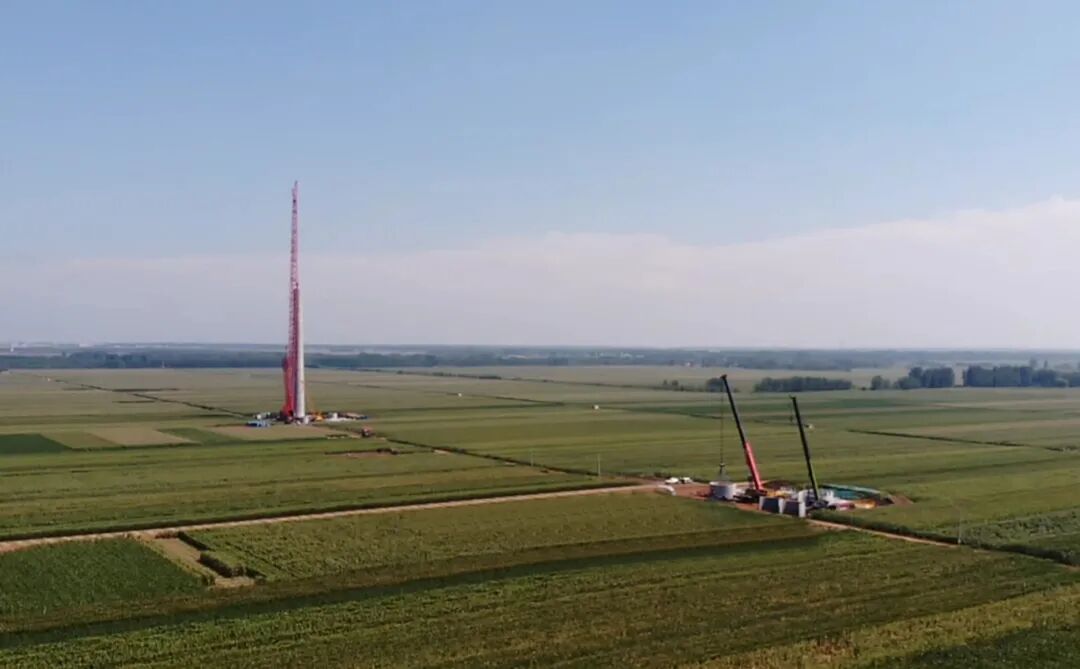
The company's 200MW wind power project is a pilot project for green and low-carbon energy transformation in Shandong Province, with a total investment of 1.16 billion yuan and an annual power generation of over 550 million kilowatt hours, which can reduce carbon emissions by 400000 tons per year. The promotion of wind power projects is accelerating the construction of the company's "all green energy" factory, and its social value continues to extend in the industrial chain and regional development. The company has already laid out a 72 MW distributed photovoltaic project with an annual power generation of nearly 80 million kWh. Now, with the addition of wind power and biomass cogeneration projects, it will achieve a green energy consumption ratio of over 80% by 2027, and the total annual carbon reduction will exceed 800000 tons.
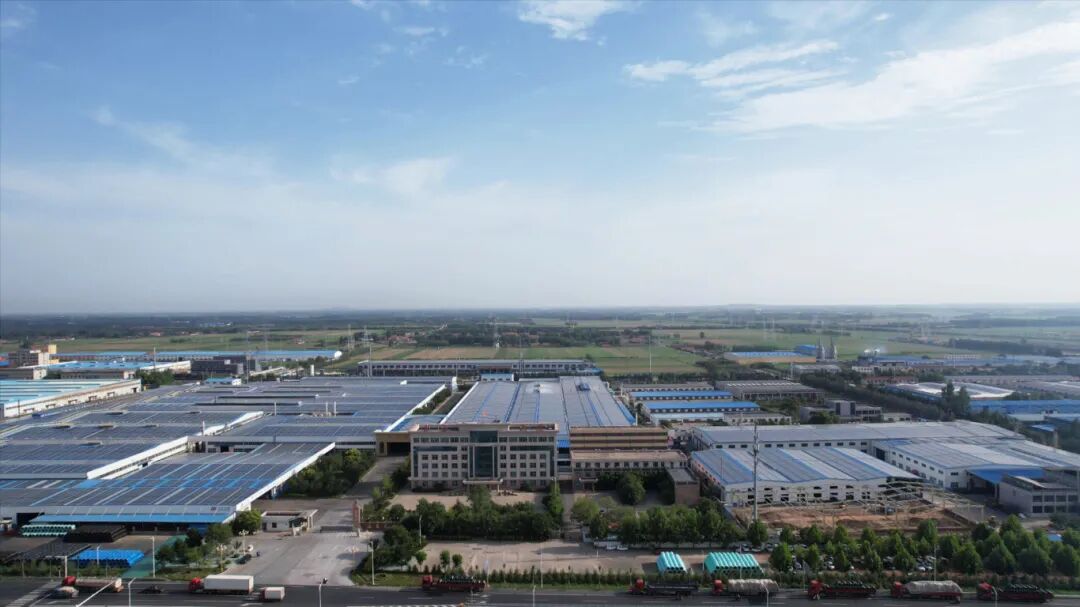
This multi energy complementary system of "photovoltaic+wind power+biomass+energy storage" will not only significantly reduce the company's comprehensive energy costs, but also help downstream automotive and tire companies reduce their carbon footprint through "green electricity empowerment products", and assist the entire industry chain in responding to the EU Carbon Border Adjustment Mechanism (CBAM), enhancing the green competitiveness of China's manufacturing industry in the global market. As a benchmark for the transformation of traditional manufacturing enterprises, the company's practice has proven that green development and capacity improvement can be promoted in synergy - from photovoltaic panels on workshop roofs to wind turbines in fields, the construction of zero carbon factories not only lays a solid foundation for sustainable development, but also conveys the concept of "low-carbon transformation is new quality competitiveness" to the industry, providing a fresh case for the implementation of the national "dual carbon" goal in the manufacturing industry and promoting the upgrading of regional industrial ecology towards lower carbon, more efficient, and more resilient directions.